
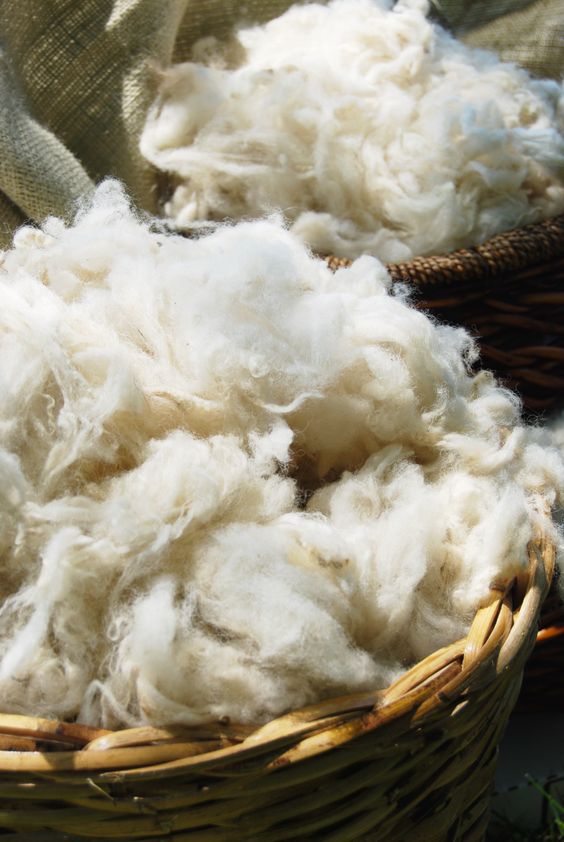
Description
Cotton Specifications:
- Variety:
- Upland Cotton (Gossypium hirsutum): Accounts for 90% of global production; medium staple length.
- Egyptian Cotton (Gossypium barbadense): Known for extra-long staple fibers, high-quality fabric.
- Tree Cotton (Gossypium arboreum): Grown mainly in India and Pakistan.
- Levant Cotton (Gossypium herbaceum): Grown in dry regions, shorter fibers.
- Staple Length (Fiber Length):
- Short Staple: 19 mm to 22 mm (0.75 to 0.87 inches).
- Medium Staple: 22 mm to 28 mm (0.87 to 1.1 inches) (common in Upland cotton).
- Long Staple: 28 mm to 34 mm (1.1 to 1.35 inches).
- Extra Long Staple: Over 34 mm (1.35 inches), often in premium varieties like Egyptian and Pima cotton.
- Micronaire (Fiber Fineness and Maturity):
- Standard Range: 3.5 to 4.9 (ideal for most textile uses).
- Premium Range: 4.0 to 4.9 (optimal for softness and durability).
- Micronaire values less than 3.5 are considered immature, while values above 5.0 may indicate overly thick fibers.
- Strength:
- Measured in terms of tensile strength, typically ranging between 25 to 30 g/tex for strong cotton fibers.
- Higher strength is desirable for producing durable fabrics.
- Color Grade:
- Ranges from white to creamy.
- Based on USDA color grades, common grades include Middling, Strict Low Middling, and Low Middling.
- Higher quality cotton has a brighter, whiter appearance with fewer spots.
- Trash Content (Foreign Matter):
- Measured as a percentage of foreign material such as leaves, dirt, and seeds in the cotton.
- High-Quality Cotton: Less than 2% trash content.
- Lower Grades: Can have higher trash content (up to 5%).
- Moisture Content:
- Optimal Range: 7% to 8% moisture content during baling.
- Higher moisture content can lead to mildew and spoilage, while overly dry cotton can be brittle and difficult to process.
- Ginning Method:
- Roller Ginned: Best for long-staple cotton, as it preserves the fiber length and quality.
- Saw Ginned: Common for Upland cotton but may cause more damage to the fibers.
- Bale Weight:
- A standard cotton bale weighs 227 kg (500 pounds).
- Packed in compressed form for easier transport and storage.
- Contamination:
- Non-Contaminated Cotton: Free from plastic, metal, and other materials that could interfere with processing.
- Cleanliness is a key factor in determining cotton quality, especially for high-end textile use.
- Leaf Grade:
- Ranges from 1 (minimal leaf content) to 7 (high leaf content).
- Lower leaf grades are preferred for cleaner processing.
- Elongation:
- A measure of how much the fiber stretches before breaking.
- Normal Elongation Range: 5% to 8%, important for fiber flexibility during spinning.
- Uniformity Index:
- Describes the evenness of the fiber length.
- High Uniformity: 80% to 85%, which is ideal for smooth yarn production.
- Uniformity index below 75% may lead to uneven yarn and lower quality fabrics.
- Packaging:
- Baled Cotton: Compressed in tightly packed bales, wrapped in woven plastic or jute coverings to prevent contamination.
- Weight per Bale: 227 kg (500 pounds).
- Dimensions of Bale: Standard bales are approximately 1.4m (55 inches) x 0.53m (21 inches) x 0.68m (27 inches).
- Grades:
- Premium Grade: Extra-long fibers, bright white, low contamination.
- Middling Grade: Medium-length fibers, used in most general-purpose textiles.
- Lower Grade: Shorter fibers with more contaminants, used for coarse fabrics or industrial purposes.
- Uses:
- Textiles: The primary use, including clothing, bed linens, and towels.
- Cottonseed: Used for oil extraction, animal feed, and fertilizer production.
- Byproducts: Include cotton linters (used in paper and cellulose production) and cottonseed hulls.
Export Information:
- Country of Origin: Major producers include the USA, India, China, Brazil, and Pakistan.
- Export Standards: Must comply with international cotton quality standards, such as USDA or the International Cotton Advisory Committee (ICAC).
This specification ensures high-quality cotton for both textile production and other industrial uses. Each property affects the end-use quality of the cotton, from fineness and strength to cleanliness and uniformity.
Reviews
There are no reviews yet.